
What is the essence of commodity digital identity? It is not a simple QR code, but a credible entry for product records
The digital identity of a product is not simply a QR code, nor is it to move product information to a website. It is more like an identity portal for goods in the digital world, used to connect product information, verification records, evidence materials, circulation records and subsequent DPP data.
It is used for information collation, scanning code display, evidence filing and risk warning; it does not claim official certification, nor does it replace formal compliance review.
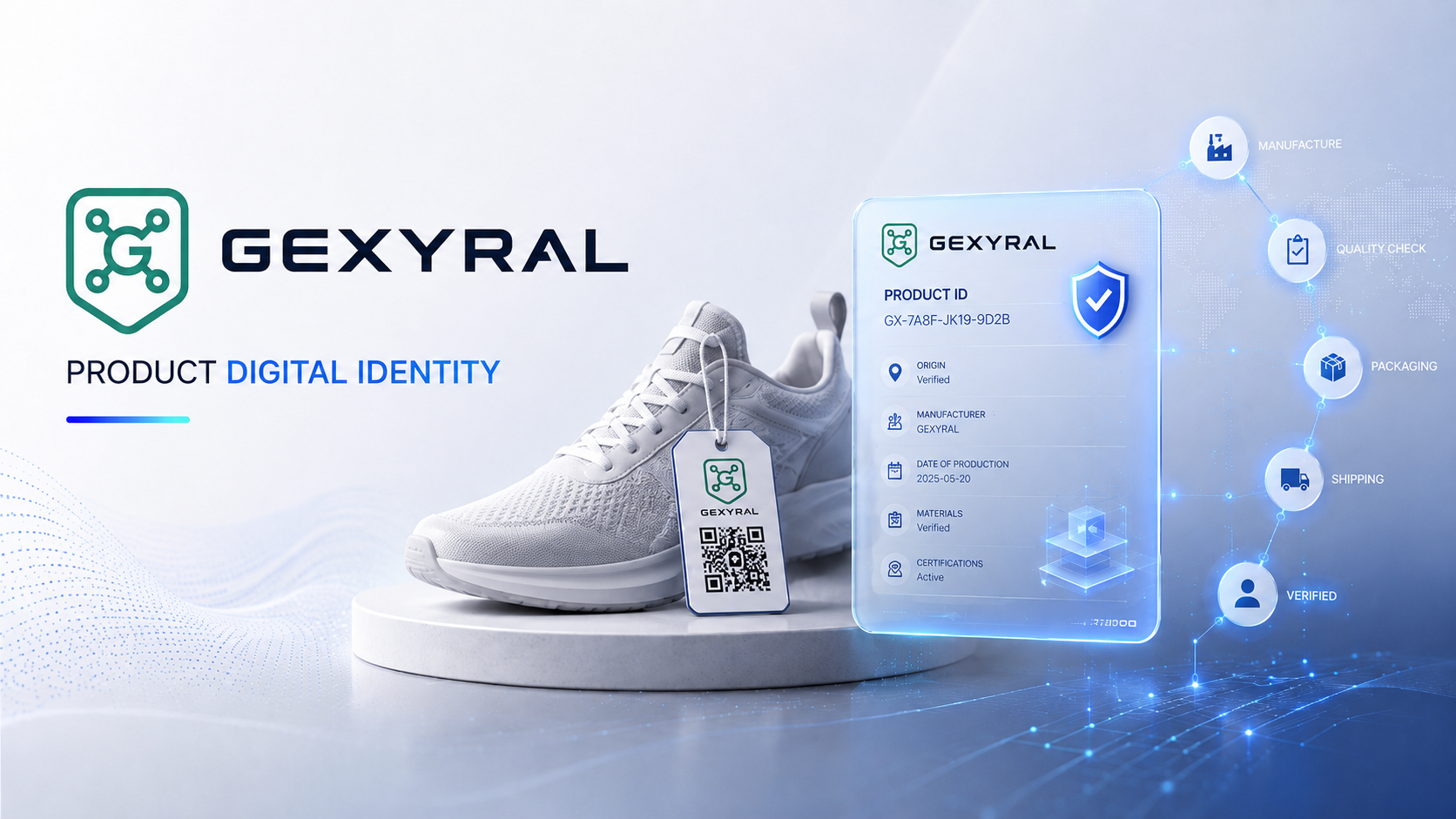
The digital identity of a product is not simply a QR code, nor is it to move product information to a website. It is more like an identity portal for goods in the digital world, used to connect product information, verification records, evidence materials, circulation records and subsequent DPP data.
When many people hear "product digital identity" for the first time, their first reaction is usually: Isn't this just putting a QR code on the product?
This understanding cannot be wrong, but it only touches the most superficial level. The QR code is just an entrance. The really valuable part is the set of product data behind the QR code that can be queried, maintained, recorded, and verified.
The essence of a product's digital identity is not to put an extra code on a product, but to allow a product to have a stable identity entrance in the digital world.
It makes the product no longer just a paragraph of text on the packaging, a set of pictures on the details page, or a temporary certificate issued by customer service, but becomes a credible record that can be maintained for a long time.
1. Let's make it clear in one sentence: What is the digital identity of a product?
| Understanding perspective | the more accurate statement |
|---|---|
| on the surface | It may appear as a QR code, a PID code, and a public query entry. |
| a practical point of view | It is a digital record corresponding to a product and is used to connect product information, verification records, certification materials and follow-up information. |
| long run | It is the basic entry point for goods to enter DPP, trusted records, compliance data management and multiple-party inquiries. |
Therefore, the digital identity of a product is not simply a "code", but a combination of "code + data + records + maintenance capabilities".
2. Why did goods start to need digital identity?
In the past, consumers mainly relied on packaging, tags, details pages, customer service instructions, test reports or invoices to understand a product. These things are all valuable, but they are easily dispersed.
Packaged on the product, the test report may be on the merchant's computer, the certificate picture may be in the customer service chat history, and the after-sales policy is on another page. Over time, product information will become fragmented or even inconsistent with each other.
What commodity digital identity needs to solve is this problem of "information disconnection".
| Problems with traditional methods | What can digital identity improve? |
|---|---|
| Product information is scattered in packaging, details pages, forms and chat records. | Collect basic information, certification materials, and verification records into the same product record. |
| Data from different batches and different SKU are easy to mix together. | Use PID or ID code to bind goods, batches, and SKU to corresponding data. |
| Consumers can only see what the merchants say, and it is difficult for them to inquire for themselves. | Users can view the corresponding product records through QR codes or public entrances. |
| Subsequent updates, supplementary materials, and version changes are not easy to track. | Product information can be continuously maintained and form a long-term record. |
This is why the digital identity of goods is becoming increasingly important. It is not to create a new concept, but to change product information from a "scattered state" to a "searchable state."
3. Product digital identity is not a simple QR code
The QR code itself is just an entry point. It can jump to the official website, event page, product details page, or to the general anti-counterfeiting query page.
But if there is no stable product record behind the QR code, no identity binding, no material archiving, and no verification traces, then it is still just a link.
The true digital identity of a product must include at least the following parts:
| part | role |
|---|---|
| unique identity | Let products, batches or SKU have a relatively stable identification entry, rather than all products sharing the same page. |
| public inquiry | Users, partners or reviewers can view the corresponding records through QR codes, PID codes or links. |
| data archiving | Centrally manage product parameters, brand information, material descriptions, certificates, testing materials and other contents. |
| verification records | Record behaviors such as code scanning, inquiry, and access to provide reference for subsequent risk judgment and credible records. |
| ongoing maintenance | The product information is not written in one go, and can continue to be supplemented, revised and updated in the future. |
Therefore, whether a product has a QR code does not mean whether it has a digital identity. The key depends on whether there is a corresponding product record system behind this QR code.
4. What is the difference between it and traditional anti-counterfeiting?
Traditional anti-counterfeiting is more concerned about one question: Is this product fake?
The digital identity of a product concerns a wider range of issues: who belongs to the product, what it is, where it comes from, what information it corresponds to, whether it has been inquired, and whether it can continue to be maintained in the future.
| comparison item | Traditional security | Commodity digital identity |
|---|---|---|
| core objectives | Determine authenticity, prevent counterfeiting, and prevent smuggling. | Establish a long-term record entry where products can be queried, maintained, and traced. |
| common manifestation | Anti-counterfeiting label, anti-counterfeiting code, scratch coating, inquiry page. | PID product ID code, QR code public page, verification records, and evidence materials are archived. |
| data range | Most of them focus on authenticity inquiries, channel flow and code scanning results. | Can cover product information, supporting documents, verification records, DPP data and subsequent updates. |
| long-term value | It prefers one-time verification and channel management. | It prefers long-term trust, data maintenance and compliance preparation. |
It can be understood this way: anti-counterfeiting is more like a judgment, and the digital identity of a product is more like a continuously updated product file.
For example, a piece of silver jewelry, in addition to explaining whether it is S925 silver, may also involve style information, material descriptions, certificate pictures, testing materials, after-sales policies, replacement rules and code scanning verification records. If this information is scattered in different places, it will be difficult for consumers to fully understand it, and subsequent maintenance by merchants will be very troublesome.
However, if this product has a stable PID product ID code, the user scans the code and enters the corresponding public inquiry page, and you can see the basic records of this product and relevant materials provided by the merchant. In this way, the product is no longer just a paragraph of text on the packaging, but has a digital record that can be queried.
5. Commodity digital identity does not equal official certification
This must be made clear.
Commodity digital identity can help merchants organize data, save certification materials, record verification behaviors, and also make it easier for users to view product information. But it itself does not equal to certification by testing agencies, nor does it equal to the conclusion of regulatory authorities, and it should not be packaged as "scanning the code will be true."
| Easily misunderstood statement | more accurate understanding |
|---|---|
| A QR code is authentic. | The QR code is just an entrance. It really depends on the data, materials and verification logic behind it. |
| The digital identity of a product is official certification. | Commodity digital identity is an entry point for recording and inquiry and does not replace testing agencies, certification agencies or regulatory judgment. |
| After the product information is uploaded, there is no need to worry about it. | Commodity data requires long-term maintenance, and material updates, version changes and verification records are all important. |
A more accurate statement is that the digital identity of a commodity provides an entry point for trusted records. It makes product information more centralized, makes the query process clearer, makes material archiving more convenient, and makes subsequent traceability and compliance preparation easier.
6. Why is it associated with DPP?
DPP, also known as Digital Product Passport, focuses on product information transparency, compliance data, sustainability information, maintenance recycling and multi-party access. It prefers long-term data management and compliance preparation than traditional anti-counterfeiting.
But no matter how DPP develops, it is inseparable from a basic question: Which product, which batch, and which product record does this information correspond to?
This is the value of the digital identity of a commodity.
| level | solve the problem | What can it be understood |
|---|---|---|
| PID product ID code | Solve the problem of how goods are identified, queried, and related. | The identification number and entrance of the product in the digital world. |
| verification records | Solve the problem of whether, when, and whether abnormal visits occur. | Behavior records during the use of product identity. |
| Evidence Pack | Solve the problem of how to file commodity materials, evidence, and supporting documents. | A data package built around the identity of the product. |
| Lightweight DPP | Solve the problem of how to gradually organize product information for compliance, transparency and multi-party access. | Product information passport based on product identity. |
If the DPP is the "passport" of product information, then the PID product identification code is like the identification number and entrance of this passport. Without a stable identity entry, the subsequent data, evidence, version and access rights are difficult to maintain for a long time.
Therefore, the digital identity of the product is not a decoration of DPP, but the basic layer of DPP data preparation. With a clear product identity first, then talking about material archiving, machine-readable data, Evidence Pack, access grading and subsequent compliance preparation, the logic will be smoother.
7. For small and medium-sized merchants, what can it really solve?
It is not that many small and medium-sized merchants do not have good products, but they lack a stable way to clearly explain, retain and check product information.
When the product is launched, the information is on the details page; when the customer consults, the supporting materials are in the chat window; and when follow-up maintenance, the historical records are manually reviewed. Over time, it is difficult for merchants themselves to tell which product each batch, each style, and each certification material corresponds to.
| Common pain points for merchants | The role of digital identity of goods |
|---|---|
| There are many product styles and SKU, and the information is easy to confuse. | Use PID or ID code to distinguish different product records. |
| Supporting materials are scattered among forms, pictures, and chat records. | Archive the data in the corresponding record of the product for subsequent review. |
| Consumers repeatedly ask about materials, sources, certificates and after-sales services. | After scanning the code, you can view the basic information and instructions provided by the merchant. |
| When I want to do DPP or compliance information in the future, I don't know where to start. | First establish product identity and data records, and then gradually supplement lightweight DPP information. |
It doesn't have to be heavy in the first place. For many small and medium-sized brands, first putting together the product ID code, QR code query page, basic information, supporting materials and verification records is a step further than simply relying on details pages and customer service instructions.
8. The digital identity of the product understood by GEXYRAL
In the product design of GEXYRAL, product digital identity is not an isolated QR code function, but a recording system from PID to verification records to lightweight DPP data preparation.
| What can GEXYRAL help merchants do | corresponding value |
|---|---|
| Create a PID product ID code | Give goods, batches or SKU a stable digital identity entry. |
| Generate a QR code public query page | Allow users to view product-related records after scanning the code. |
| Archive product information and supporting materials | Make product information no longer just scattered in the background, pictures, forms and chat logs. |
| Record verification behavior | Let code scanning, query and exception access form the basis for subsequent analysis. |
| Gradually supplement Evidence Pack and lightweight DPP information | Lay the foundation for the preparation of subsequent credible product records and compliance data. |
The focus of this process is not to package the platform into some kind of testing agency, nor is it to directly draw conclusions on authenticity for merchants, but to help products establish clearer, more stable, and easier to maintain digital records.
For consumers, after scanning the code, they can see more information related to the product. For merchants, product information is no longer just scattered in the background, forms, pictures and chat records, but has an identity portal that can be maintained for a long time.
9. Finally, let's talk about the essence
The essence of the digital identity of a commodity is to change the commodity from "only existing in the packaging and details pages" to "having a record that can be queried, maintained, and left behind in the digital world."
It is not a panacea, nor is it a substitute for testing, certification and regulatory judgment. But it can make product information more centralized, make certification materials easier to view, make code scanning verification no longer just a simple jump, and also provide a clearer foundation for future DPP data preparation.
| in a word |
|---|
| The digital identity of the product is not the QR code itself, but the product identity, data recording, verification behavior and long-term maintenance capabilities behind the QR code. |
For brands and merchants, the value of this matter lies not only in "anti-counterfeiting", but also in building trust over the long term.
When a product has a stable digital identity, it is no longer just a SKU on the shelf, but has a credible record that can be continuously accumulated.
You can start with a key product, establish a product identity page, organize supporting materials, record scan scanning verification results, and then gradually upgrade to a more complete DPP preparation process as needed.
This article is for knowledge collation and operational suggestions, and does not constitute legal, certification, official compliance or true and false identification conclusions; specific products and transactions should still be judged based on actual evidence, platform rules, testing and certification, and professional opinions.
The digital identity of a product is not simply a QR code, nor is it to move product information to a website. It i...
Suitable for quickly understanding keywords, checking data, sorting out risk points, preparing customer communication or generating product identity records.