
What Problems Does Opaque Product Information Create?
Opaque product information creates more than a communication problem. It slows customer and chann...
Continue reading →Articles headline subtitle
Browse for the latest content by category to find the topics you are most concerned about currently.
If you want to see other themes, you can switch directly here.
If you don't know which one to read first, you can start here.

The real concern is often not one new rule, but fragmented product information, evidence that...

Commodity information transparency is changing from marketing selling points to an important ...

The product ID code is not just a QR code or an anti-counterfeiting code, but a unified ident...

Opaque product information creates more than a communication problem. It slows customer and chann...
Continue reading →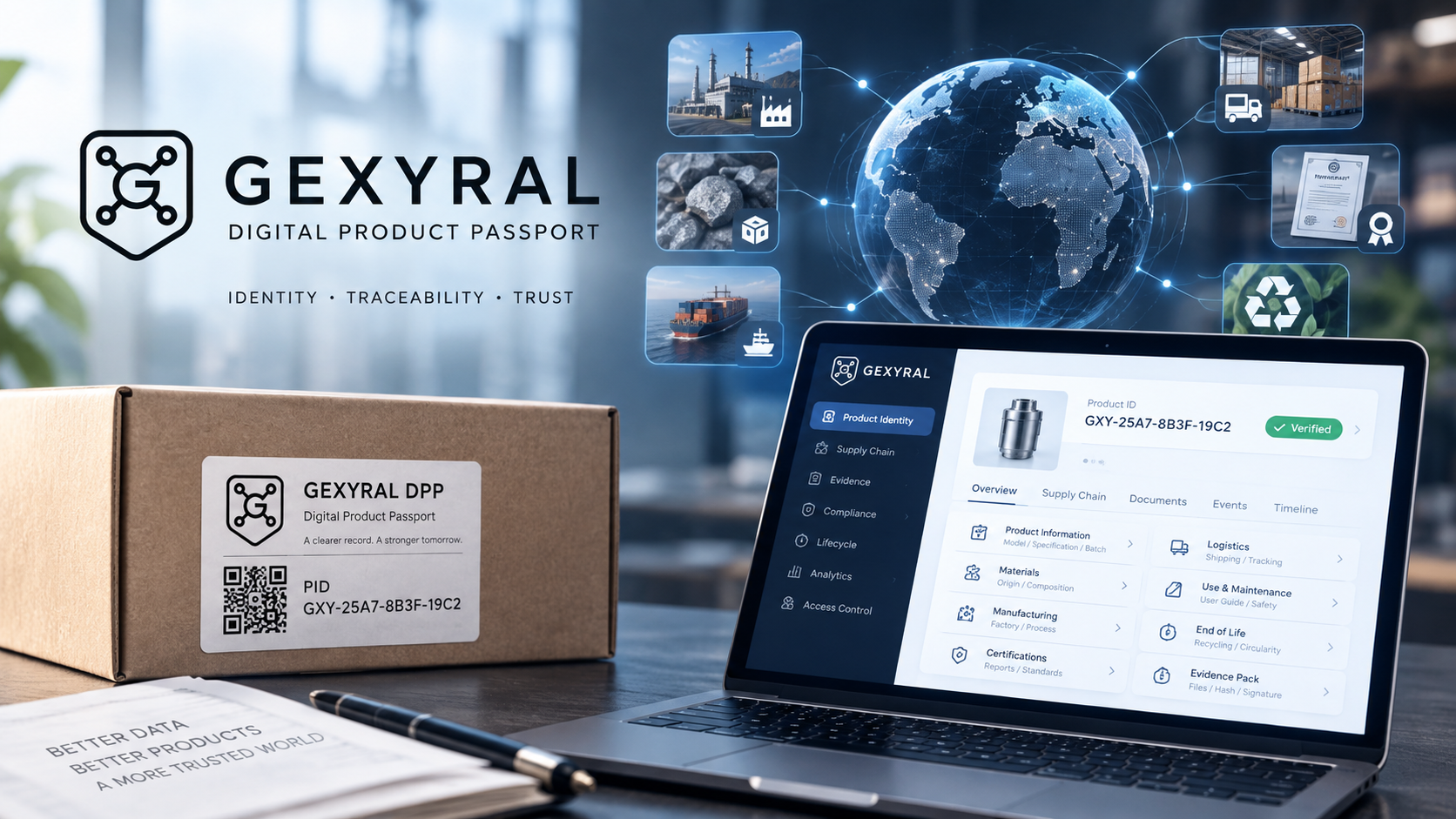
More industries are treating records as operational infrastructure rather than paperwork. This ar...
Continue reading →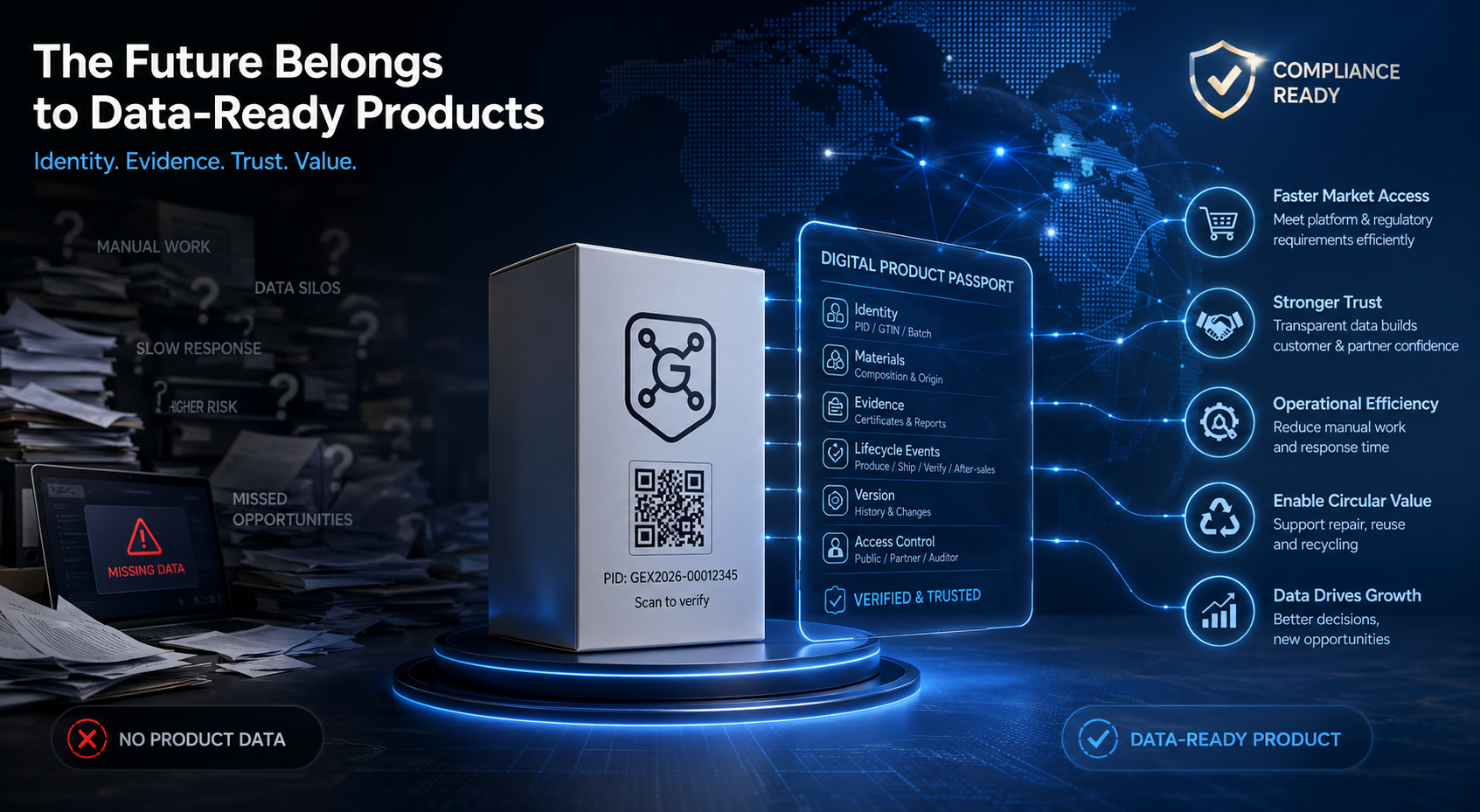
Future products must be readable by systems, understandable to partners and verifiable across com...
Continue reading →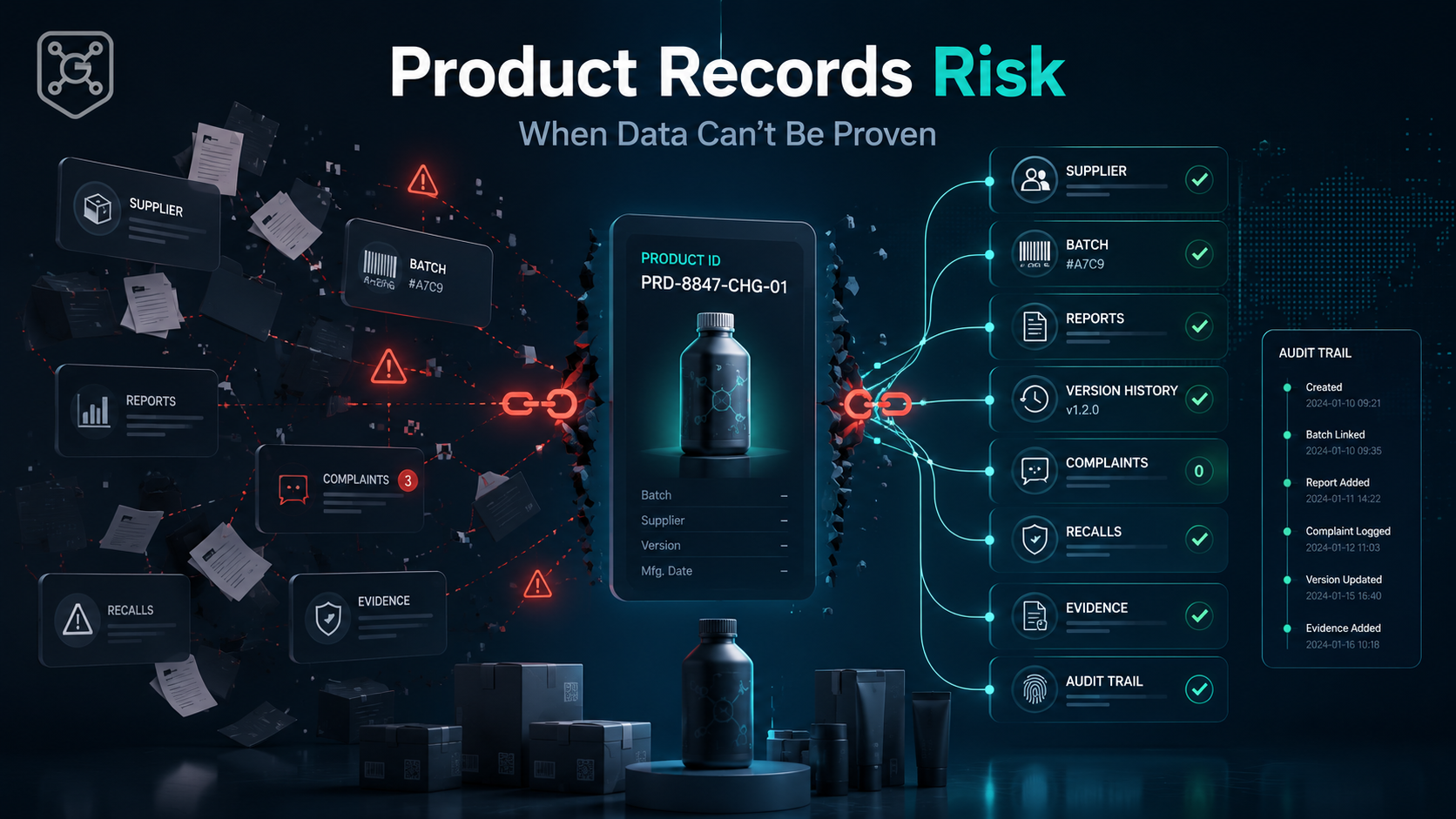
Product records are more than stored files: they connect identity, batches, key fields, evidence,...
Continue reading →
The real concern is often not one new rule, but fragmented product information, evidence that can...
Continue reading →
The jewelry industry uses product ID codes not only for anti-counterfeiting, but also for silverw...
Continue reading →Information on platform usage, product verification, compliance information and industry practices will be continuously updated here for your centralized review.
If you already have a clear question, you can also use the search box to enter keywords directly.
The digital identity of a commodity is to establish a recognizable, queryable and verifiable digital entry point for the commodity, which is used to carry the identity code, verification status, verification description and related records.
Scanning code verification serves as the entry point for users to enter the query page, while the verification record is an independent trace left by the platform regarding the time, method, and related characteristics of the verification behavior.
No. Verification records provide objective behavioral information and risk warnings, which are used to assist in understanding and subsequent verification. They do not directly replace authenticity determination or responsibility determination.
It is recommended to first review the merchant guide, application implementation and verification records. These types of content make it easier to quickly understand how to use the platform.